
About the Artist:
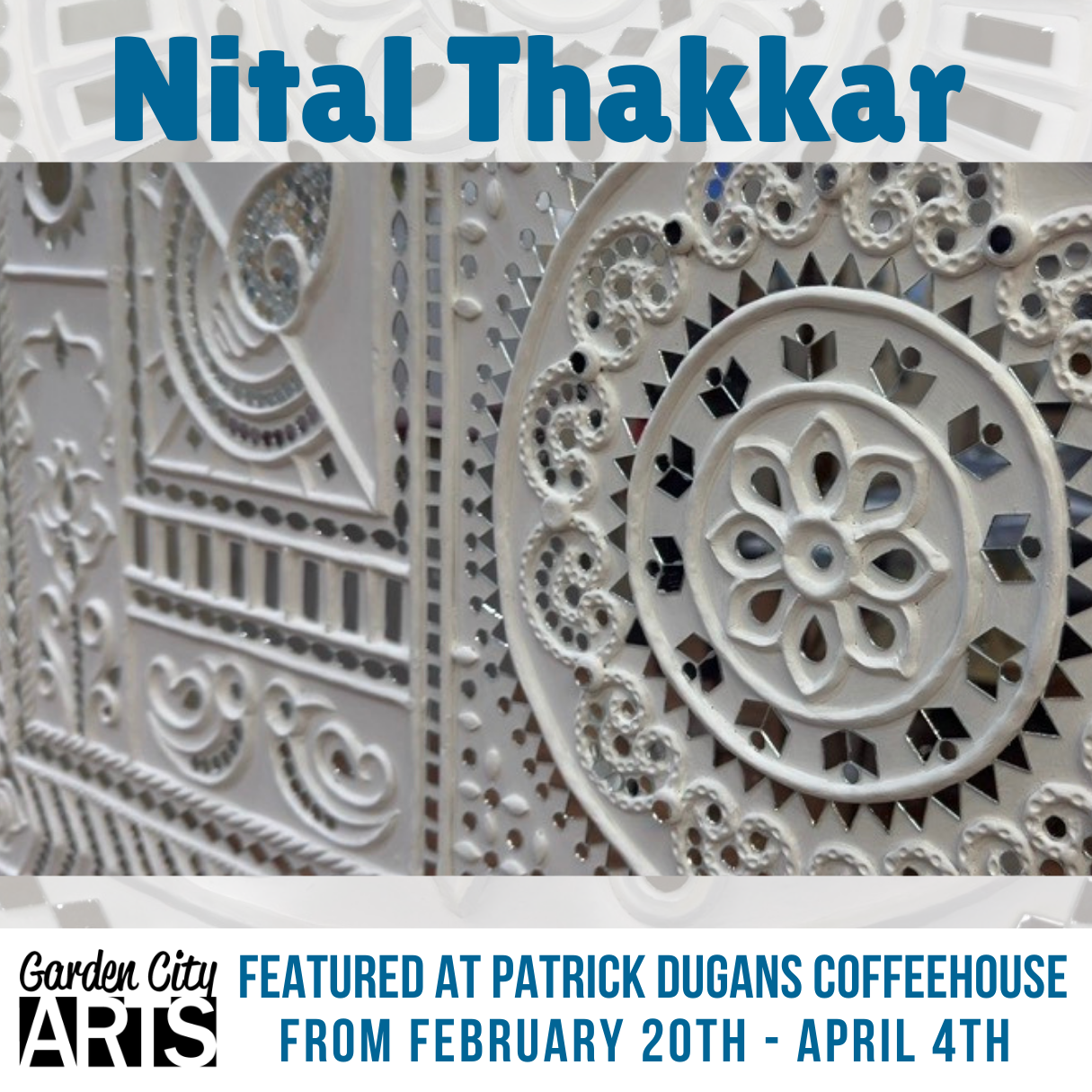
Lippan art is a traditional mural craft that originated in the Kutch region of Gujarat, India, created by the women of the Rabari community. In ancient times, it was used to decorate the mud walls of village homes, enhancing their beauty while also serving a functional purpose. Traditionally, Lippan art was made using a mixture of clay and cow or camel dung, adorned with small hand-cut mirrors to reflect light and help keep interiors cool in the harsh desert climate. The motifs were inspired by nature animals, birds, and geometric patterns symbolizing harmony, protection, and prosperity. In modern interiors, Lippan art has evolved beyond village homes into framed artworks, accent panels, and contemporary spaces, using materials such as acrylic bases, MDF boards, ceramic tiles, mirrors, and synthetic clay while preserving its earthy essence. As someone born in Kutch, India the birthplace of Lippan art creating this artwork is deeply personal to me, as it allows me to honor my roots while presenting this ancient folk tradition in a modern artistic form.
I was born in Kutch, Gujarat, India — the birthplace of the beautiful and traditional Lippan Art. Growing up surrounded by this rich cultural heritage naturally connected me to this art form from a young age. I created my first Lippan Art painting in 2001, nearly 25 years ago, inspired by the traditional mud and mirror work that once decorated village homes in Kutch. Over time, I also had the opportunity to teach this art to some of my students, sharing the cultural beauty and techniques of this craft. After a 15-year pause, life brought me to Garden City, Kansas, two years ago, where I rediscovered my passion and found a new opportunity to showcase my talent. Through my work, I aim to preserve the tradition of Lippan Art while presenting it in a contemporary form for modern spaces.